




The Middle Class Short-Term Rentals Is Dying And Luxury Is Taking Over
The Middle Class Short-Term Rentals Is Dying And Luxury Is Taking Over Shifting Market Dynamics: A Demand for Luxury In 2024, short-term rental platforms in the EU recorded a significant growth of...
The Middle Class Short-Term Rentals Is Dying And Luxury Is Taking Over
Shifting Market Dynamics: A Demand for Luxury
In 2024, short-term rental platforms in the EU recorded a significant growth of 18.8%, translating to approximately 854.1 million overnight stays, which not only surpasses 2019 levels but indicates a sustained recovery trajectory for the industry. However, as we enter 2026, a notable evolution is emerging within this landscape. The increasing demand for high-end accommodations reflects shifts in traveler preferences, characterized by a preference for unique experiences, premium services, and quality offerings. Where mid-range rentals once thrived, luxury and specialized accommodations are now experiencing a surge, capturing both market demand and rental revenues.
Table Of Content
Market Trends: The Rise of Premium Offerings
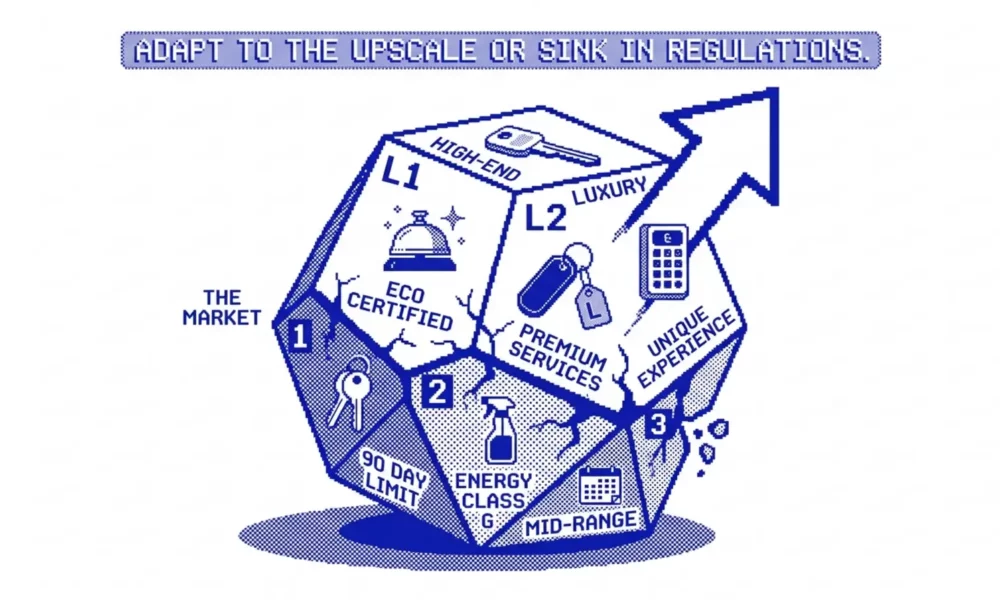
Data indicates that as of 2026, the French short-term rental market is experiencing average occupancy rates ranging from 53% to 62%, with peak areas, particularly in major cities, reaching as high as 71%. This growing demand for upscale properties aligns with shifting consumer expectations, as travelers become increasingly selective in their lodging choices. In a trend further supported by research from Booking.com, 68% of French travelers actively seek low-carbon accommodations, up from 52% in 2023. This preference elevates the status and perceived value of eco-friendly, well-rated properties that often operate within the higher-end market. Consequently, mid-range, standard offerings face the risk of being phased out in favor of distinct high-quality propositions.
Regulatory Challenges Impacting Mid-Range Rentals
The regulatory landscape is evolving, raising significant challenges for mid-range short-term rentals. The recently enacted “Eve Le Meur” law introduces stricter regulations in France, limiting the maximum rental period for primary residences to 90 days annually in certain urban areas, effectively squeezing the operational capacity of many mid-tier rentals. Moreover, the emphasis on energy performance — notably the impending restrictions on properties classified G under the energy performance rating system — threatens to exclude a substantial portion of the mid-range housing stock from the rental market. As local governments enforce these regulations, property managers and owners must adapt by investing in upgrades or risk losing their competitive edge in an increasingly upscale market.
Strategic Implications for Industry Stakeholders
The transition toward luxury in the short-term rental sector carries profound implications for property management companies, software vendors, and service providers. Professionals are compelled to reassess their strategies in light of these market dynamics. Those focusing on premium positioning, including architectural aesthetics, optimal locations, and superior services, can enhance profitability and attract discerning travelers. In contrast, mid-range offerings lacking unique differentiation may struggle to remain profitable as consumer expectations evolve and regulations intensify.
As the market continues to mature, industry stakeholders must consider aligning their operational models with emerging trends, particularly in the domains of eco-friendliness and service personalization. Investments in advanced property management systems, revenue management solutions, and marketing strategies geared towards high-end clientele can position businesses favorably. As demand increasingly favors specialized offerings, a clear strategic pivot toward luxury accommodations may spell the difference between thriving and merely surviving in the evolving landscape of short-term rentals.





No Comment! Be the first one.