




What Is a Channel Manager?
What Is a Channel Manager? Optimizing Distribution and Booking Management A channel manager serves as an essential software tool for property management companies and hosts, streamlining the...
What Is a Channel Manager?
Optimizing Distribution and Booking Management
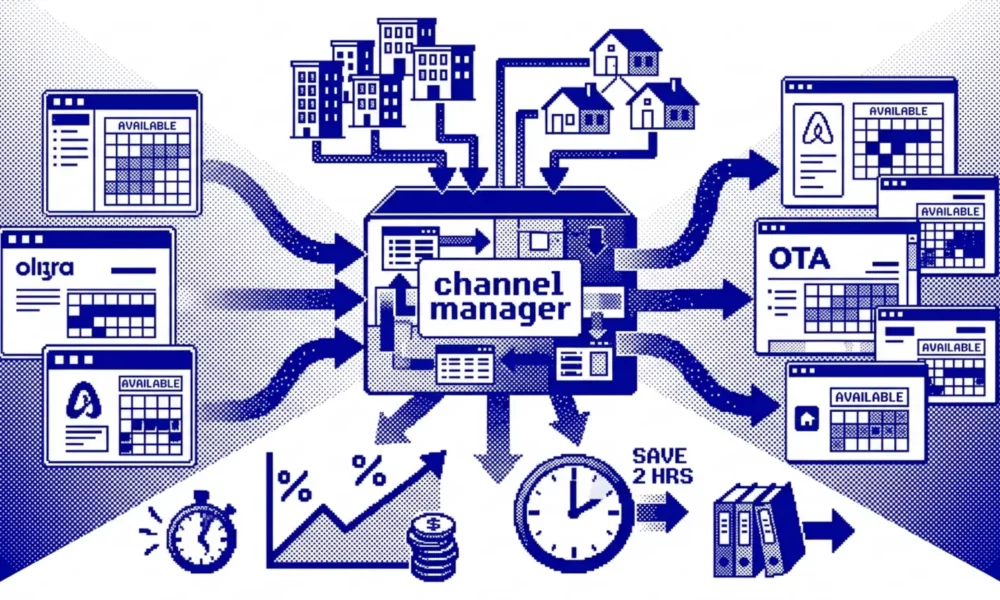
A channel manager serves as an essential software tool for property management companies and hosts, streamlining the dissemination of short-term rental listings across multiple online travel agencies (OTAs) such as Airbnb, Booking.com, and Vrbo. The primary function of a channel manager is to synchronize bookings, availability, and pricing in real time, reducing the risk of double bookings and enhancing operational efficiency. This centralization enables property managers to manage their listings from a single interface, making it vital for maximizing occupancy rates and revenue.
Table Of Content
Key Functionalities and Economic Impacts
Channel managers offer several core functionalities that underpin their value proposition for short-term rental operators. Automatic calendar synchronization ensures that when a reservation or modification occurs on one channel, all other connected platforms are updated immediately. This capability minimizes the risk of overbooking—a significant concern for properties listed on multiple OTAs.
Additionally, channel managers facilitate dynamic pricing strategies. By enabling property managers to adjust rates in line with demand fluctuations, local events, or seasonal trends, these tools help optimize both Average Daily Rate (ADR) and Revenue per Available Room (RevPAR). The ease of centralizing reservations and managing sales statistics provides operators with clear visibility into key performance indicators, which supports data-driven decision-making.
The implications extend beyond just usability; estimates suggest that channel managers can save property managers 1 to 2 hours of administrative tasks daily, especially in environments where multiple listings are managed. Furthermore, larger conciergeries managing dozens of units can see significant reductions—up to 80%—in administrative workloads, fostering growth without proportionate staffing increases.
Revenue Growth and Market Positioning
Utilizing a channel manager can markedly enhance a property’s visibility across various booking platforms, potentially increasing occupancy rates. Research indicates that reliance on a single platform could lead to a 20% reduction in occupancy, particularly if algorithms favor other listings. By diversifying the distribution strategy through a channel manager, hosts can effectively mitigate this risk, tapping into broader market demand.
Moreover, as channel managers allow for better pricing coherence and rapid adjustments, properties can respond quickly to market conditions, further enhancing revenue. The capabilities of modern channel managers often integrate seamlessly with dynamic revenue management tools, encouraging more granular pricing strategies that align closely with local market trends.
For hosts and conciergeries, the advantages are clear: increased booking rates and fewer cancellations result in a more stable revenue stream. Some channel managers offer direct booking capabilities, providing additional margin by decreasing reliance on OTA commissions.
Regulatory Considerations and Integration Trends
The landscape for channel managers is also influenced by regulatory frameworks within France and broader Europe, such as the Loi Le Meur which governs short-term rentals. Compliance with local regulations—such as municipal taxes and registration requirements—adds another layer of complexity to property management. Channel managers are increasingly designed to assist operators in navigating these legal landscapes effectively.
Many current solutions integrate well with Property Management Systems (PMS), which combine distribution management with operational features like billing, cleaning schedules, and guest communication. As the industry evolves, property management teams are increasingly seeking systems that not only centralize distribution but also enhance operational management across multiple service touchpoints, from cleaning and maintenance to check-in solutions.
In conclusion, the adoption of channel managers presents property management professionals with critical tools to optimize their operations in the competitive landscape of short-term rentals. As technology continues to advance, embracing these solutions will likely become indispensable for success in the sector.





No Comment! Be the first one.