




Airbnb Host Checklist: Everything You Need Before Your First Guest
Airbnb Host Checklist: Everything You Need Before Your First Guest The importance of compliance in short-term rentals As the short-term rental market matures, professionals face an increasingly...
Airbnb Host Checklist: Everything You Need Before Your First Guest
The importance of compliance in short-term rentals
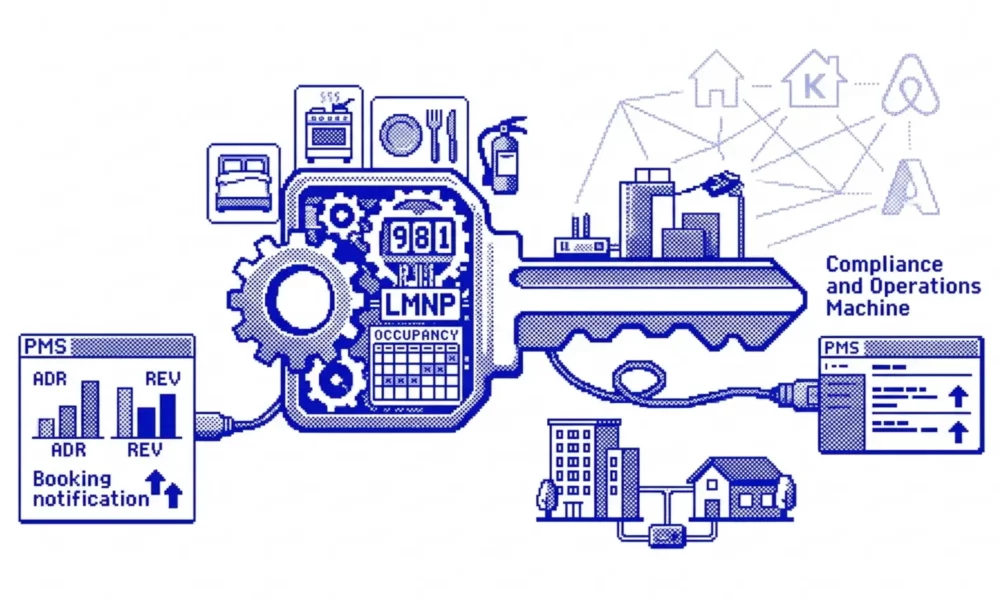
As the short-term rental market matures, professionals face an increasingly complex regulatory landscape. In France, guidelines dictate that furnished rentals must adhere to specific minimum equipment standards as outlined in decree n° 2015-981. This regulation mandates essential amenities like quality bedding, cooking appliances, and dining essentials. For property managers and hosts, this impacts the baseline items included in any operational checklist before listing properties on platforms like Airbnb or Booking.com.
Table Of Content
Moreover, local regulations in major cities require explicit compliance with rental licensing, including registration numbers and adherence to night quota limitations for primary residences. For secondary homes, changing usage regulations may impose additional restrictions. As local governments tighten regulations, property managers must integrate these steps into their checklists, ensuring not only operational compliance but also strategic alignment with market dynamics.
Financial and safety obligations for hosts
Beyond compliance with housing standards, hosts must understand the financial implications of their rental activity. This includes the diligent recording of income and expenses for tax purposes, particularly for those operating under the LMNP (Non-Professional Furnished Rental) or LMP (Professional Furnished Rental) status. Current checklists highlight the importance of integrating tax information directly into rental platform accounts, alongside empowerment through bookkeeping systems that track earnings against expenditures.
Safety measures are not just recommended, but vital for both liability and guest comfort. Effective checklists now routinely include requirements for smoke detectors, fire extinguishers, and clearly communicated safety protocols within welcome materials. Establishing a robust set of operational procedures can reduce risks significantly and enhance guest satisfaction, driving repeat business and positive reviews.
The evolving landscape of technology and professionalism
The acceleration of technological adoption in the sector represents both an opportunity and a challenge for operators. The modern host checklist has evolved to emphasize the necessity of professional accounts on platforms. These accounts allow hosts to showcase their brand identity through company profiles, and enable seamless integration with property management systems (PMS) and channel managers. Such tools facilitate efficiency, automate bookings, and help garner insights from performance data.
Furthermore, the standardization of performance measurement metrics—such as occupancy rates, average daily rate (ADR), and revenue per available room (RevPAR)—is critical. Establishing clear Key Performance Indicators (KPIs) allows operators to assess their success and adapt strategies in response to market trends. Weekly or monthly performance dashboards that integrate pricing strategies and operational efficiency metrics are becoming common features in host checklists.
Tensions and perspectives for professionals
As pressures from local governments increase, rental operators must be responsive to legislative changes while maintaining competitiveness in a market characterized by a demanding customer base. The expectation for higher levels of cleanliness, comfort, and guest autonomy is changing the nature of service delivery within the industry. Traditional hospitality standards are increasingly informing short-term rental practices, moving the profession toward a model more closely resembling hotel operations.
Simultaneously, the trend towards cross-platform listings is essential for maximizing visibility and booking opportunities. As hosts diversify their presence across platforms such as Airbnb, Vrbo, and others, they must carefully balancing compliance with market demands. In this context, a well-structured checklist not only prepares hosts for initial guest interactions but also equips them for ongoing regulatory compliance and competitiveness in a rapidly evolving market.





No Comment! Be the first one.