




Airbnb Moves Into Fintech With a Cancel-for-Any-Reason Feature
Airbnb Moves Into Fintech With a Cancel-for-Any-Reason Feature Integration of Travel Insurance into Airbnb’s Offerings Airbnb has recently enhanced its service offering by incorporating a...
Airbnb Moves Into Fintech With a Cancel-for-Any-Reason Feature
Integration of Travel Insurance into Airbnb’s Offerings
Airbnb has recently enhanced its service offering by incorporating a travel insurance feature tailored for short-term rentals in the European Union and the UK. This addition comes via a partnership with Roleurop, enabling Airbnb to provide a flexible cancellation option for guests. While not explicitly labeled as “cancel-for-any-reason,” the product functions similarly by allowing travelers to cancel their bookings for covered reasons, with potential refunds reaching up to 100% of their total accommodation costs.
Table Of Content
The integration of this insurance option is a notable example of Airbnb’s movement into the fintech space, wherein the company is not only acting as a booking platform but also as a distributor of travel-related financial services. This shift aligns with broader trends towards the monetization of ancillary services, which are becoming essential as property management professionals navigate increasingly complex market demands.
Changes in Cancellation Policies and Responsibilities
As Airbnb rolls out this new feature, it also reinforces the significance of understanding cancellation policies from both a guest and host perspective. For guests, the flexibility of this insurance may enhance booking confidence, likely translating into higher conversion rates for property managers. However, these enhancements may complicate pricing strategies, as property managers will need to factor additional costs related to such insurance into their rental pricing structures.
Simultaneously, Airbnb’s updated cancellation policies place an emphasis on host responsibilities. Since October 2023, hosts are subject to a standardized penalty structure that can lead to monetary fines for cancellations initiated by them. This trend reflects a larger push towards accountability and reliability within the short-term rental market, presenting an additional layer of contractual complexity for property managers.
Regulatory Landscape Impacting Short-Term Rentals
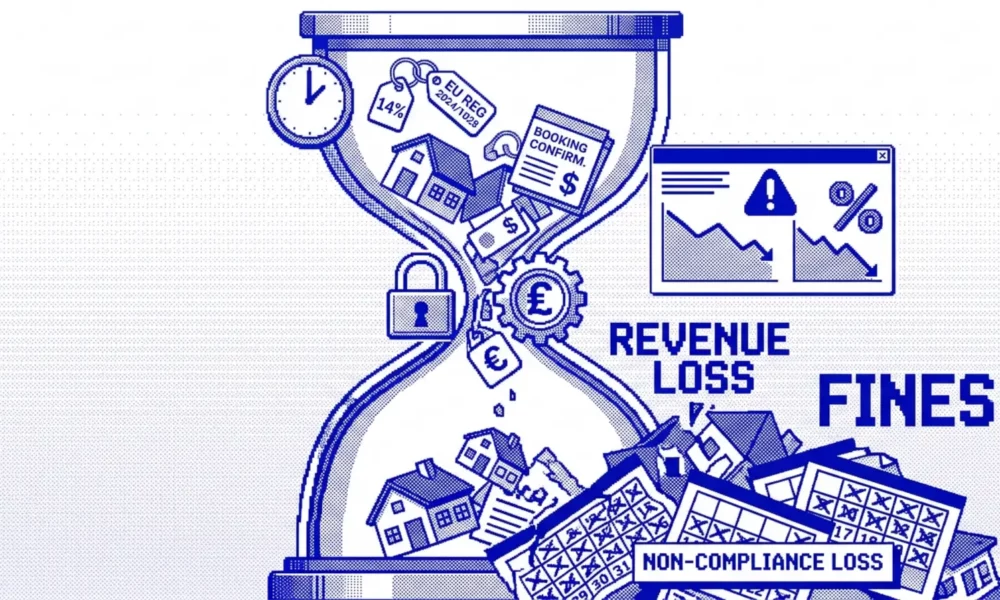
As Airbnb expands its offerings, the regulatory environment around short-term rentals is simultaneously evolving. The European Union’s new regulation, 2024/1028, which came into effect in 2026, enforces rigorous registration requirements for all short-term rental hosts. This necessitates transparency and compliance, compelling property managers to ensure they operate within the legal framework to avoid heavy penalties or forced cancellations by local authorities.
Additionally, a centralized data platform expected to be operational across various EU jurisdictions by late 2026 aims to track compliance across rental disclosures. Property management companies must prepare for a landscape where non-compliance could lead to significant ramifications, including the removal of listings from platforms like Airbnb, which could affect occupancy rates and overall market stability.
Tensions and Perspectives for Professionals
This dual-axis development—Airbnb’s financial service expansion coupled with stringent regulatory measures—necessitates a proactive approach from short-term rental professionals. The potential revenue boost from ancillary services such as travel insurance must be weighed against the complexities of new compliance demands. Property managers and rental operators will need to carefully evaluate how these shifts impact their operational strategies, revenue models, and relationships with both guests and regulatory bodies.
As the market develops, the intertwining of regulatory compliance with financial obligations creates a challenging environment where strategic foresight will be key. Embracing fintech innovations like insurance offerings can enhance competitiveness and guest satisfaction, yet professionals must remain vigilant against emerging risks of non-compliance that could undermine their positioning in the market. Understanding these dynamics will be crucial for navigating future opportunities and developments in the ever-evolving short-term rental landscape.





No Comment! Be the first one.